Shell and core is a unit handed over with the structure, façade, common areas and main building services finished, and the inside left empty for the tenant to build. Fit-out is the work that turns that empty space into somewhere you can use: partitions, ceilings, floors, air conditioning and power distribution, lighting, data and finishes. This guide explains what a Dubai landlord usually hands over, what Cat A and Cat B fit-out add, which approvals the work needs, and what to check before you sign a shell and core lease.
What does shell and core mean?
Shell and core, also called base build, is the part of a building the developer designs and builds before any tenant moves in (Designing Buildings Wiki). For an office building that normally means the structure, the external walls and glazing, the roof, finished common areas such as the lobby, lifts, stairs and toilets, and the central plant: switchgear, chillers or the district cooling connection, pumps, sprinkler mains and the fire alarm system.
Inside your unit you get bare slab floors, an exposed soffit and services capped at the edge of the space. There are no partitions, no ceiling, no lighting and no finished floor.
There is no single legal definition. One Dubai fit-out guide points out that landlords may hand over capped services, a finished façade or some limited distribution, and advises asking for a written handover schedule and checking it against the unit itself (CBD Projects, August 2026). Read that schedule before you compare rents. Two units both called shell and core can need very different amounts of work.
What does fit-out mean?
Fit-out is the process of making an interior space suitable for occupation (Designing Buildings Wiki). In practice it has three layers that have to go in a set order:
- Civil works: partitions, blockwork, screeds, openings and raised floors.
- MEP: air conditioning ductwork and units, power and lighting circuits, data cabling, plumbing and drainage, and extending the sprinklers and fire alarm into the new layout.
- Finishes: ceilings, flooring, joinery, doors, paint and signage.
Fit-out and renovation are often confused. Fit-out starts from an empty or unfinished space. Renovation changes a space that is already finished and in use. The trades are similar, but a fit-out has nothing to strip out and everything to build, which is why it runs on its own approval track. Our commercial and retail fit-out page explains how the three layers are planned together.
Shell and core, Cat A and Cat B: what is the difference?
These are three stages of the same space. Shell and core is what the developer builds. Cat A makes the space usable but plain. Cat B turns it into your office, shop or restaurant.
| Stage | Who usually pays for it | What it typically includes |
|---|---|---|
| Shell and core | Developer / landlord | Structure, façade, common areas, lifts, central plant, fire systems in the core; services capped at the unit |
| Category A (Cat A) | Usually the landlord | Raised floors, suspended ceilings, distribution of mechanical and electrical services, basic finishes, blinds |
| Category B (Cat B) | The tenant | Your layout and partitions, meeting rooms, reception, kitchen or pantry, specialist lighting, IT and audiovisual, branding, furniture |
Sources: Designing Buildings Wiki, Fit out of buildings and Shell and core. The same source warns that Cat A and Cat B have no standard definition, so the lease or the handover schedule has to spell out exactly who delivers what. A unit advertised as fitted can mean anything from Cat A to a previous tenant’s full Cat B, so check what is actually there. A shell and core unit needs both Cat A and Cat B work, and the tenant arranges it.
What does a tenant have to add to a shell and core unit in Dubai?
Everything between the capped services and a space you can open. The usual list:
- Partitions, doors and all finishes
- Ceilings and, in offices, raised floors
- Distribution boards, power and lighting circuits, emergency lighting
- Air conditioning distribution: connecting fan coil or VAV units, ductwork and fresh-air connections
- Extending sprinklers and fire detection to suit your layout
- Data cabling and the comms room
- Plumbing and drainage for pantries, kitchens or extra toilets
The same Dubai guide lists the costs that are easy to miss: landlord design review, authority submissions, security deposits, contractor registration and insurance, temporary power and waste removal (CBD Projects, August 2026). None of these show up in the rent, and all of them sit on the tenant’s side of the line.
The air conditioning and fire systems are where most shell and core surprises come from, because they have to be designed against what the building already provides. Our MEP works page covers how that side is handled.
Which approvals does a fit-out need in Dubai?
It depends on where the building is. The pattern is the same everywhere:
- Landlord or building management approval of the design, with a no-objection certificate (NOC) and the building’s fit-out rules, deposits and working hours.
- A fit-out permit from the authority that regulates the area. For most mainland buildings that is Dubai Municipality; several free zones and master communities run their own permit.
- Civil Defence approval of the fire and life-safety design, and a Civil Defence completion certificate before the fit-out is signed off.
As a worked example, the Dubai Development Authority’s fit-out permit is applied for by the contractor. It needs the permit request form, the tenant’s contractor appointment letter, a copy of the Ejari, an NOC from the building owner, NOCs from the relevant authorities and the approved stamped drawings. A Dubai Civil Defence completion certificate is needed before completion. DDA lists a delivery time of two working days and a fee of AED 0.90 per sq ft, with a minimum of AED 200 and a maximum of AED 10,000 (DDA, checked 24 September 2026).
The permit itself is rarely what holds a project up. The time goes on getting the design approved by the landlord and the authorities before it, so that part has to start as soon as the lease is agreed.
How long does a shell and core fit-out take?
It depends on the size, the use and how much of the building’s services have to be extended, so any single number is misleading. What sets the date is usually the design and approvals at the start and long-lead items such as air conditioning equipment and custom joinery in the middle.
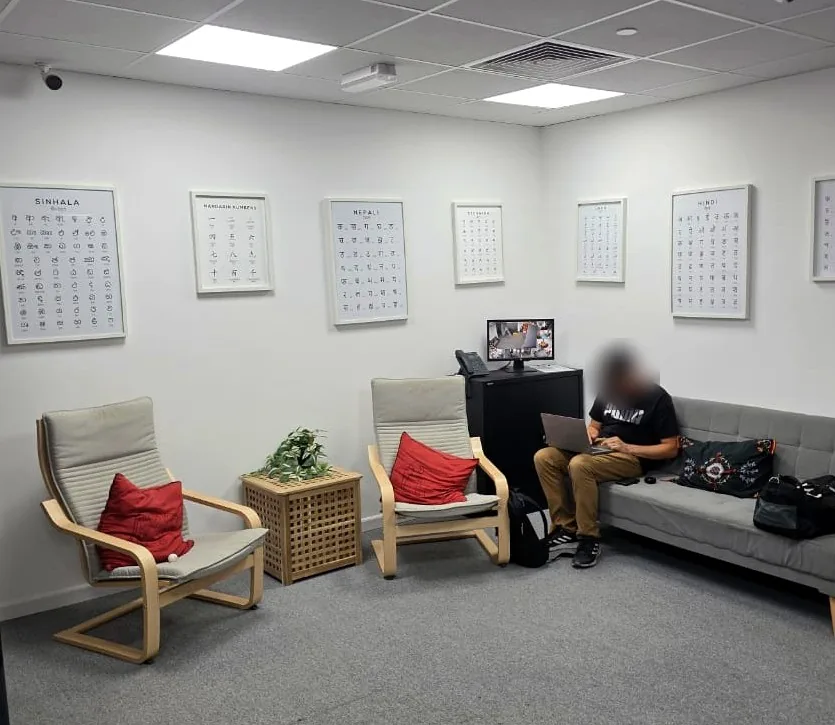
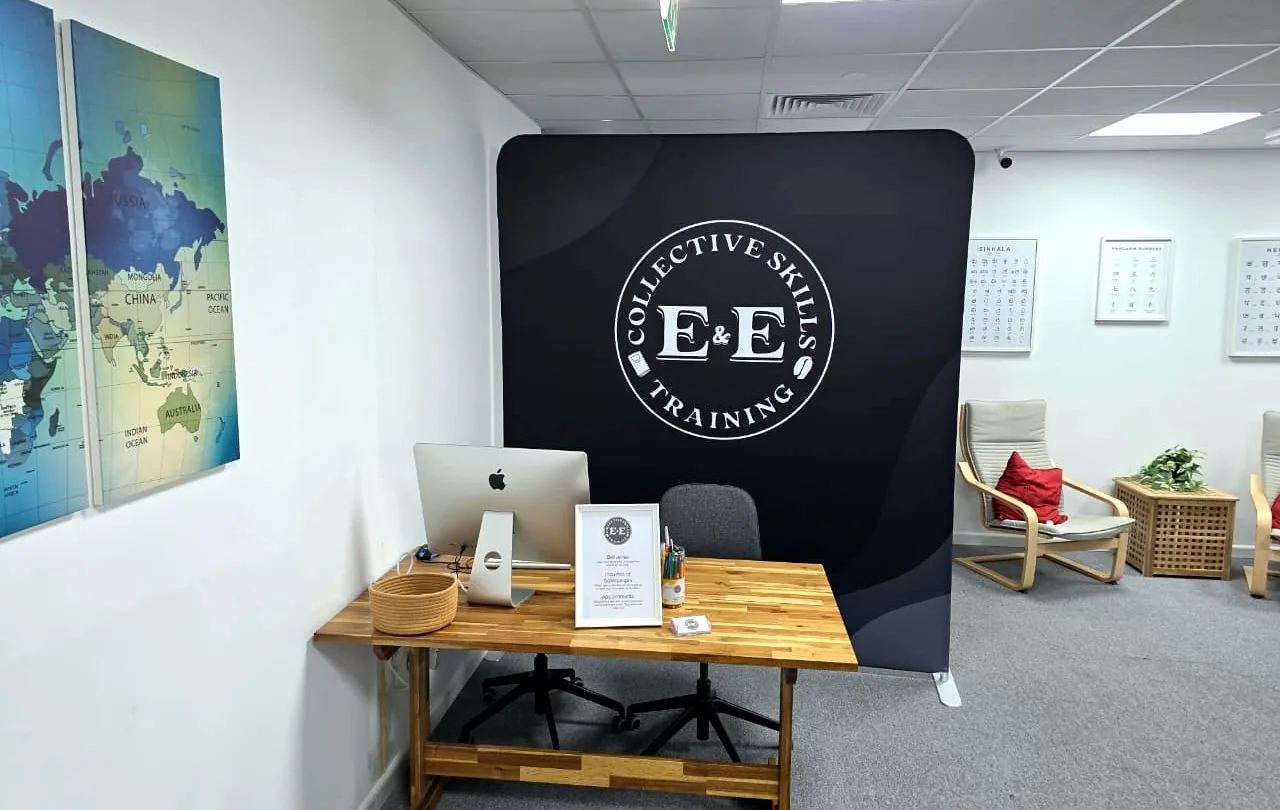
As a reference point, the 4,713 sq ft training facility in our portfolio went from an empty shell to handover in five months, July to November 2024, including the fit-out, MEP, safety systems and IT, with every approval under one contract.
Should you take a shell and core unit or a fitted one?
It comes down to how long you will stay and how much the layout matters to you.
| Shell and core | Fitted (usually Cat A) | |
|---|---|---|
| Layout | Built around how you work | Adapt to what is there, or strip out |
| Time to move in | Design, approvals and build first | Shorter, often minor works only |
| Upfront cost | Full fit-out budget | Lower, but you may pay to change it |
| Best for | Longer leases, specific layouts (clinics, restaurants, training centres, brand-led offices) | Shorter leases, standard office layouts, a fixed start date |
Before you sign either, ask the landlord whether the lease gives a fit-out period before rent starts, how long it is, and what happens if approvals run over. That period is negotiated, not fixed, and it matters more on a shell and core unit.
What should you check before signing a shell and core lease?
Six questions to get answered in writing:
- The handover schedule. Exactly what is in the unit on the day you get the keys, service by service.
- Air conditioning. Chilled water or district cooling capacity allocated to the unit, where the connection points are, and who pays the cooling charges.
- Power. The electrical load allocated to the unit and where the supply terminates. A kitchen or server room can need more than a standard office.
- Fire systems. How far the sprinklers and fire alarm already reach, and the building’s rules for extending them.
- Building fit-out rules. Deposits, working hours, noise limits, access, insurance and contractor registration.
- Who applies for what. Which approvals the landlord handles and which sit with you and your contractor.
Take these answers to any contractor you ask to quote. Without them, the quotes are pricing different assumptions. Our guide on how to choose a contractor covers how to compare the quotes once they arrive, and the office fit-out and restaurant and café fit-out pages show what each type of job involves.
Definitions and third-party figures above are quoted from the linked pages as published or checked on the stated dates. Authority fees and requirements change, so confirm them with the authority for your building before you apply.
Frequently asked questions
What is shell and core in Dubai?+
A unit handed over with the structure, façade, common areas and main building services finished and the interior left empty: bare floors, no ceiling, no partitions, and services capped at the edge of the space. The exact handover varies by building, so ask for the written handover schedule.
What is the difference between Cat A and Cat B fit-out?+
Cat A makes a space usable but plain: raised floors, suspended ceilings, distributed air conditioning and power, basic finishes. Cat B fits it to a specific tenant: layout, meeting rooms, reception, pantry, lighting, IT, branding and furniture. Neither term has a standard definition, so the lease should list what each includes.
Is fit-out the same as renovation?+
No. Fit-out builds the interior of an empty or unfinished space. Renovation changes a space that is already finished and in use.
Do you need a permit for a fit-out in Dubai?+
Yes. Fit-out work needs landlord or building approval, a fit-out permit from the authority that regulates the area (Dubai Municipality for most mainland buildings, or the relevant free zone or community authority), and Civil Defence approval of the fire and life-safety design.
How long does a fit-out take from shell and core?+
It depends on size, use and approvals. For reference, a 4,713 sq ft training facility in Dubai went from empty shell to handover in five months, including fit-out, MEP, safety systems and IT.